
The Review / Buying guides
How to Compare Two Home Appliances Beyond the Sale Price
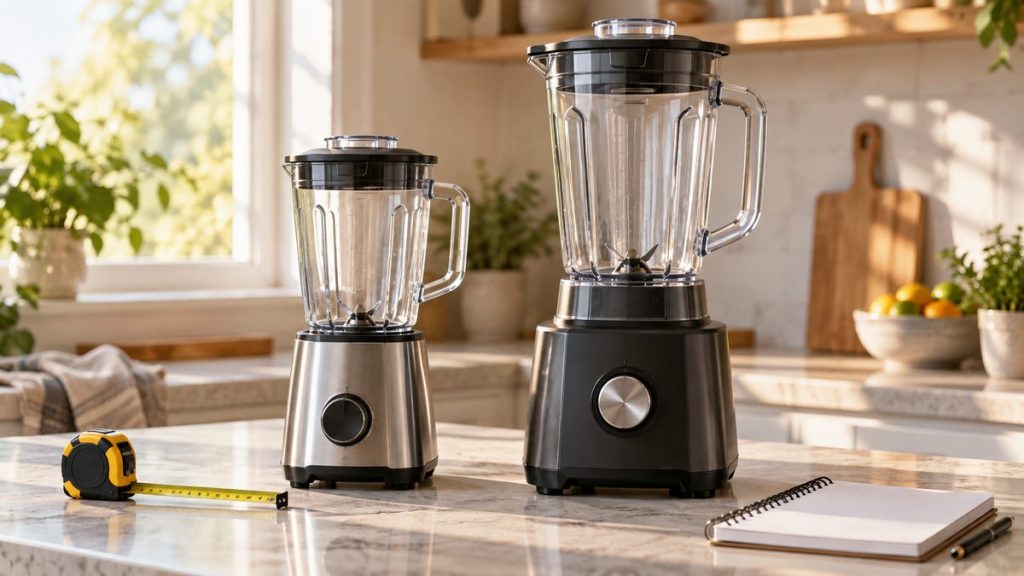
Two products that look similar can meet different needs. Use this method to organise your comparison. It is a decision-making framework, not a ranking or endorsement of any product.
Step 1: List three must-have requirements
For example: it must fit in your cupboard, be manageable for the main user to carry and have clear servicing support. Separate essential requirements from extras that simply look appealing.
Step 2: Compare the exact models
Take specifications from the manufacturer’s page or the manual for that model. Record seller information separately. If figures differ, mark them as unverified until you get an explanation.
Step 3: Calculate the total cost
Include the checkout price, delivery, installation if required and known consumable costs. Do not invent annual costs when usage rates or replacement prices are unknown.
Step 4: Write down each option’s trade-offs
| Question | Your notes |
|---|---|
| Does it meet every must-have requirement? | Yes / no / unverified |
| What makes it easier to use? | Record the feature and information source |
| What would you need to compromise on? | Size, weight, cost or features |
| What is still unknown? | Questions for the seller or manufacturer |
Step 5: Make a choice based on your priorities
Sum up your decision along these lines: “Choose A if storage space matters most; consider B if its accessory package better suits the job.” This is more useful than assuming one product is best for everyone.
Before you pay
Check stock, variants, the final price and purchase terms again. A useful comparison relies on traceable information and makes clear what is still unknown.
Related articles

Affiliate disclosure: This article may contain affiliate links. We may earn a commission from qualifying purchases through those links.